
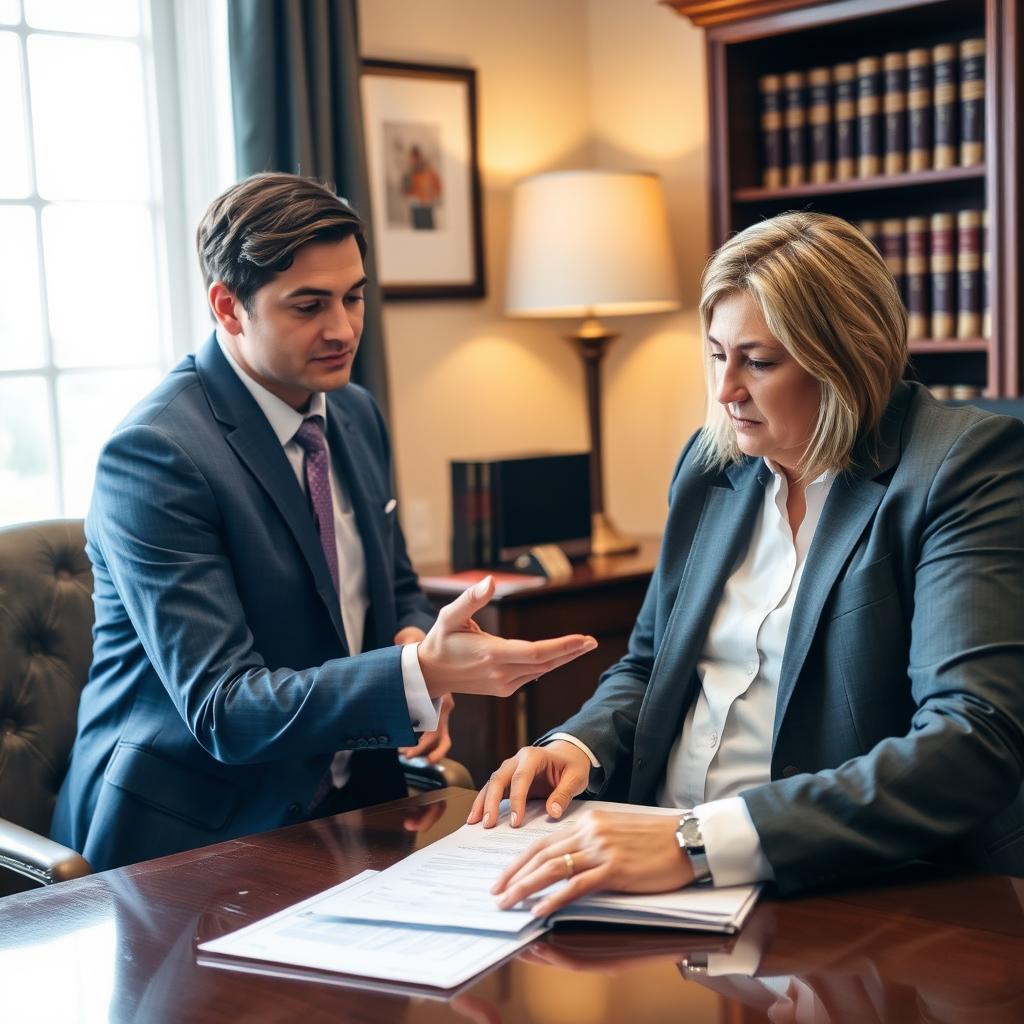
Estate Planning Lawyer Culpeper
Thoughtful estate planning helps you protect your family, preserve assets, and ensure that your wishes are honored after you pass away. For residents of Culpeper, Virginia, crafting a comprehensive plan means addressing the specific needs of a community where family farms, small businesses, and multi‑generational homesteads are common. Law Offices Of SRIS, P.C., founded in 1997, brings experienced multi‑state counsel to clients in Culpeper and throughout Virginia. Mr. Sris and the firm’s Of Counsel attorneys handle estate planning matters from our Fairfax location, working with individuals and families to develop wills, trusts, powers of attorney, and healthcare directives that reflect their unique goals. To discuss your estate planning needs, call (888) 437‑7747 to schedule a consultation. Law Offices Of SRIS, P.C. – Advocacy Without Borders.
What Estate Planning Means in Culpeper, Virginia
Culpeper sits in the heart of Virginia’s Piedmont region, with a deep agricultural heritage and a growing number of professionals and retirees. Estate planning in Culpeper often involves balancing the desire to keep a family farm intact across generations with the need to provide for multiple heirs. Whether you own a working farm, a small business, a historic home, or a retirement account, a properly structured plan can minimize tax exposure and avoid unnecessary conflict. The Culpeper Circuit Court handles will probate and estate administration; understanding how that court operates helps in designing a plan that works smoothly for your executor or trustee.
Virginia law offers flexible tools—wills, revocable living trusts, durable powers of attorney, and advance medical directives—that, when tailored to the local context, can give you peace of mind. For example, a revocable trust may allow you to avoid public probate proceedings while still retaining control over your assets during life. Likewise, a properly drafted power of attorney ensures that a trusted person can manage your finances if you become unable to do so. Mr. Sris and the firm’s Of Counsel attorneys consider your family structure, property location, and long‑term objectives when preparing these documents, always mindful of the fact that an estate plan is not one‑size‑fits‑all.
How Mr. Sris and the Firm’s Of Counsel Attorneys Handle Estate Planning Cases
Estate planning with our firm begins with a conversation about what matters most to you—your family, your assets, your charitable interests—and how you want them handled in the event of incapacity or death. Mr. Sris and the firm’s Of Counsel attorneys then draft the necessary documentation, from simple wills to more sophisticated trust structures, ensuring each instrument complies with Virginia’s execution formalities. We coordinate with your financial advisor, accountant, or insurance professional where appropriate, so that beneficiary designations and titling of assets align with the overall plan.
Throughout the process, we explain your options in plain English. If you have a blended family, a child with special needs, or assets in multiple states, we design provisions that address those circumstances. The firm also assists with the periodic review and updating of your estate plan—recommended when you experience major life changes such as marriage, divorce, the birth of a child, or a significant change in assets. Even a well‑drafted will can become outdated; regular check‑ins help ensure that your plan continues to work as intended.
About Mr. Sris and the Firm’s Of Counsel Attorneys
Mr. Sris, Owner and Founder of Law Offices Of SRIS, P.C., is admitted to practice in Virginia, Maryland, the District of Columbia, New Jersey, and New York. A former prosecutor, he has handled a broad range of legal matters since 1997 and brings a disciplined, detail‑oriented approach to estate planning. His legislative experience includes testifying before the Virginia House Courts of Justice Committee in support of 2019 HB 635 (chief patron Del. David Bulova). The firm’s Of Counsel attorneys contribute additional experience in trust and estate matters, enabling us to address both straightforward and complex planning needs.
Together, Mr. Sris and the firm’s Of Counsel attorneys have guided many Virginia residents through the estate planning process. We emphasize clear communication, careful drafting, and a recognition that every client’s situation is unique. When you work with our firm, you engage a team that values prompt, professional service and treats your family’s future with the seriousness it deserves.
Frequently Asked Questions
What documents should a basic Virginia estate plan include?
A basic Virginia estate plan typically includes a last will and testament, a durable general power of attorney, and an advance medical directive (living will). The will controls the distribution of assets after death, the power of attorney appoints someone to manage financial affairs during incapacity, and the advance medical directive names a healthcare agent and states your wishes regarding life‑sustaining treatment. Depending on your goals and the nature of your assets, a revocable living trust may also be advisable to avoid public probate or to manage assets for beneficiaries who need ongoing support.
Do I really need a lawyer for estate planning in Culpeper, or can I use a template?
While you are not legally required to hire a lawyer, working with an estate planning attorney helps ensure that your documents are legally valid and tailored to Virginia law. Template forms often contain provisions that do not work well under Virginia’s specific statutes—especially if you own real estate, have minor children, or own a business. An attorney can spot ambiguities, coordinate beneficiary designations with your overall plan, and advise on strategies that a generic form cannot address. For Culpeper residents, local knowledge of the probate process in Culpeper Circuit Court is an additional practical benefit.
How does probate work in Culpeper County, and can it be avoided?
Probate in Culpeper County is the court‑supervised process by which a deceased person’s will is validated and their estate administered. If the decedent had a properly executed will, the named executor petitions the Culpeper Circuit Court for appointment. If there is no will, the court appoints an administrator under Virginia’s intestacy laws. Probate can be avoided for many assets through a properly funded revocable living trust; assets titled in the trust pass outside of court proceedings. Our firm helps clients decide whether a trust‑based plan is appropriate for their circumstances.
What is the difference between a will and a trust in Virginia?
A will takes effect upon death and must go through probate to distribute assets; a revocable living trust operates during life and after death, typically avoiding probate. A will designates an executor and beneficiaries, while a trust names a trustee to manage assets for beneficiaries according to instructions set out in the trust document. Trusts can also offer greater flexibility for minor children, spendthrift protections, and management of assets during incapacity. Many estate plans use both—a will as a safety net and a trust for those assets intended to bypass probate.
How frequently should I update my estate plan?
Review your estate plan every three to five years, and immediately following major life events. Changes such as marriage, divorce, the birth or adoption of a child, the death of a beneficiary, a significant change in your finances, or a move to a different state are all reasons to revisit your documents. Virginia law evolves as well; a plan that was sound ten years ago may not reflect current legal requirements or opportunities for tax savings. Our firm offers periodic review services to keep your plan current.
How do I choose the right executor or trustee for my Virginia estate?
Choose an executor or trustee who is trustworthy, organized, and capable of managing financial and legal tasks. For a simple estate, a family member or friend who lives nearby and is comfortable with paperwork may suffice. For a larger or more complex estate—or if there is potential for family discord—a professional fiduciary or a bank trust department can serve. The role involves gathering assets, paying debts and taxes, and distributing property according to the will or trust. We help clients evaluate candidates and may suggest co‑fiduciaries to balance personal knowledge with professional competence.
For guidance tailored to your situation, call Law Offices Of SRIS, P.C. at (888) 437‑7747 to schedule a consultation with Mr. Sris and the firm’s Of Counsel attorneys.
More estate planning resources: Wills lawyer Fairfax | Trust administration Virginia | Power of attorney Virginia | Probate lawyer Culpeper | Special needs estate planning Virginia
Official Virginia sources: Virginia Code Title 64.2 (Wills, Trusts, and Estates) | Virginia Judicial System
Attorney advertising. Prior results do not guarantee a similar outcome.
Case results depend on a variety of factors unique to each case.