
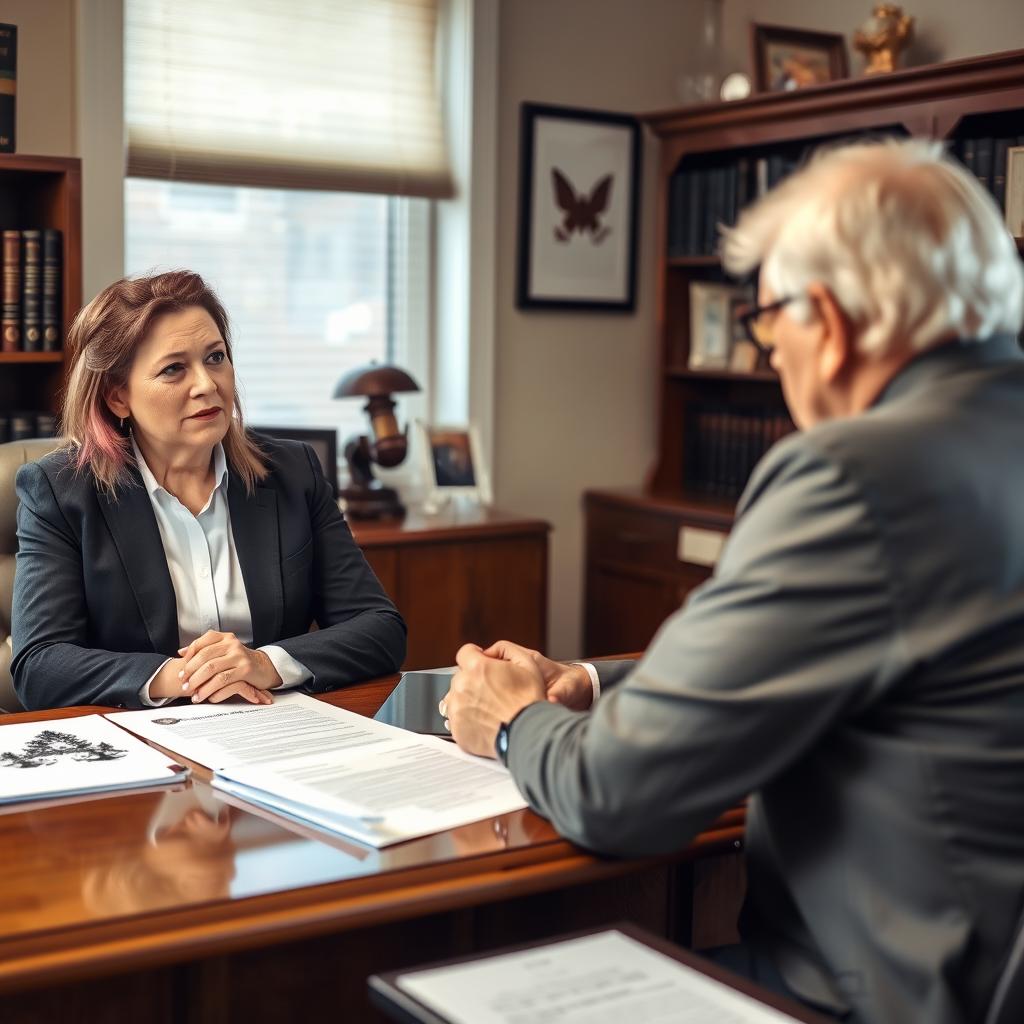
CFAA Violations lawyer Virginia, VA
Two FBI agents appeared at your front door this morning. They had a warrant to seize your computers, your external drives, your phone. They asked questions about your access to a server you had used for years. Now you are facing the possibility of federal charges under the Computer Fraud and Abuse Act, 18 U.S.C. § 1030. The investigation is moving fast, and you need an experienced federal criminal defense attorney who knows how the U.S. Attorney’s Office in the Eastern and Western Districts of Virginia handles CFAA prosecutions. Mr. Sris and his Of Counsel at Law Offices Of SRIS, P.C. bring extensive combined legal experience to defending individuals accused of federal computer crimes. Reach our firm at (888) 437-7747 to request a consultation. Law Offices Of SRIS, P.C. – Advocacy Without Borders.
How Mr. Sris and His Of Counsel Defend Against CFAA Charges in Virginia
A CFAA prosecution often turns on technical nuance: what exactly does “without authorization” mean under your specific facts? Did you exceed authorized access, or were you using a system in a way your employer permitted? Federal agents and prosecutors build these cases by interpreting access logs, terms-of-service language, and company policies. Mr. Sris and his Of Counsel work to challenge the government’s interpretation, scrutinize the evidence for constitutional and procedural missteps, and develop a defense strategy that fits the weaknesses in the case. The firm’s experience in federal court—the U.S. District Court for the Eastern District of Virginia, with divisions in Alexandria, Richmond, Norfolk, and Newport News, and the Western District of Virginia—means you have counsel who understand local federal practice, from initial appearance and detention hearings to pre-trial motions and sentencing.
The government must prove every element beyond a reasonable doubt. Many CFAA charges under 18 U.S.C. § 1030 hinge on the definition of a “protected computer,” the scope of authorization, and the alleged loss or damage. Our defense strategies explore all avenues: challenging the alleged loss amount that can elevate a misdemeanor to a felony, contesting whether the computer meets the interstate-commerce requirement, and advocating for pretrial release. If the U.S. Attorney’s Office seeks an indictment, early intervention allows the defense to present mitigating facts before formal charging decisions are made. Every step matters.
What a CFAA Federal Investigation Means in Virginia
Federal criminal investigations in Virginia are handled by the FBI, the Secret Service, or other federal agencies. If you are contacted by agents—whether by a knock on your door, a phone call, or a target letter—your response is critical. The U.S. Attorney’s Office for the Eastern District of Virginia, based in Alexandria, is known for active prosecution of cybercrime, and the Western District in Roanoke handles cases across the western part of the state. CFAA charges can be brought in either district depending on where the alleged offense occurred. The firm’s criminal defense team, led by Mr. Sris, a former prosecutor, appears in both districts and understands the procedural dynamics unique to federal court in Virginia.
Investigations can involve grand jury subpoenas, search warrants, and interviews with co-workers or business associates. Federal prosecutors often use the threat of a multi-count indictment to pressure a defendant into a plea. The Speedy Trial Act sets time limits, but complex digital evidence means cases can stretch beyond typical timelines. Mr. Sris and his Of Counsel protect your rights at every stage, working to keep the lines of communication open with the AUSA while guarding against self-incrimination. Our firm can intervene before an arrest or during the post-indictment phase to advocate for bond, examine the government’s evidence, and prepare a defense that addresses the specific technical and legal issues in your case.
Penalties and Consequences of a CFAA Conviction
The CFAA categorizes offenses by the intent and the harm caused. Unauthorized access to obtain information may be punished by up to one or five years, but if the offense was committed for financial gain or involved a protected computer used in interstate communication, the maximum can rise to ten years. Felony-level violations—such as causing damage that results in loss to one or more victims aggregating at least $5,000 in a one-year period, or affecting a computer used by the government in furtherance of national security—carry penalties of up to twenty years. The statute does not provide parole, and federal sentencing guidelines consider both the offense level and the defendant’s criminal history. A conviction can also result in supervised release, restitution, and a permanent federal record that affects employment and security clearance. Results may vary. the outcome of any case depends on the facts, the evidence, and the legal arguments presented.
About Mr. Sris and the Firm’s Of Counsel Attorneys
Mr. Sris, Owner and Founder of Law Offices Of SRIS, P.C., is a former prosecutor with extensive criminal trial experience. He founded the firm in 1997 and practices across Virginia, Maryland, the District of Columbia, New Jersey, and New York. Mr. Sris testified before the Virginia House Courts of Justice Committee in support of 2019 HB 635 (chief patron Del. David Bulova). The firm’s Of Counsel attorneys bring additional federal criminal defense experience to CFAA matters. Mr. Sris and his Of Counsel have documented case results across all practice areas since 1997. Results may vary. Reach our firm at (888) 437-7747 to discuss your specific situation.
Frequently Asked Questions
What should I do if I am facing cfaa violations charges in Virginia?
If you are facing CFAA charges in Virginia, contact a federal criminal defense attorney immediately and do not discuss the matter with anyone except your lawyer. Any statements you make to investigators—even those you believe to be harmless—can be used against you. Preserve all relevant documents, emails, and access logs but do not attempt to delete or alter anything, as that can lead to obstruction charges. The statute of limitations for most CFAA violations is five years, so early legal intervention is crucial. Mr. Sris and his Of Counsel can advise you on how to respond to federal inquiries and help protect your rights from the earliest stage of an investigation.
How does a Virginia lawyer defend against cfaa violations charges?
Defense strategies against CFAA charges often focus on challenging the element of “unauthorized access” or the government’s interpretation of that term. An experienced attorney examines the scope of authorization you had—whether from an employer, a contract, or the computer’s owner—and may argue that your actions did not exceed it. Other defenses include demonstrating that the computer did not meet the definition of a “protected computer,” that there was no intent to defraud, or that the alleged loss amount does not meet the statutory threshold for felony charges. Procedural defenses, such as unlawful search or seizure of electronic evidence, may also be available. Each case requires a fact-specific analysis under 18 U.S.C. § 1030.
Do I need a lawyer for a federal CFAA investigation if I haven’t been charged yet?
Yes; representation during the investigation phase can significantly affect whether charges are filed. Federal investigations often unfold over months, and an attorney can communicate with the prosecutor and agents on your behalf, present mitigating evidence, and negotiate to avoid indictment altogether. In many cases, the government may decide to pursue civil remedies or decline prosecution if the evidence of willful criminal intent is weak. Without counsel, you risk making statements that can become admissions. Mr. Sris and his Of Counsel have experience working with federal agencies in Virginia and can guide you through the investigative process.
What is the Computer Fraud and Abuse Act and what does it cover?
The Computer Fraud and Abuse Act, 18 U.S.C. § 1030, is the primary federal statute used to prosecute unauthorized access to computers and computer networks. It prohibits obtaining information from a protected computer without authorization, transmitting code that causes damage, trafficking in passwords, and threatening to damage a computer for extortionate purposes. The law applies to computers used in interstate or foreign commerce—which is almost any computer connected to the internet—and to government computers. Penalties depend on the specific subsection charged and can range from a misdemeanor to a felony with up to twenty years in prison.
Can CFAA charges be dropped or reduced in Virginia federal court?
Yes, CFAA charges can be dismissed, reduced, or resolved by plea agreement depending on the evidence and legal arguments presented. Early defense efforts may show that the conduct did not violate the statute, that the government’s evidence is insufficient, or that the alleged loss amount is overstated. In some cases, prosecutors agree to lesser charges or pretrial diversion if the defendant has no prior record and the offense involved minimal harm. Mr. Sris and his Of Counsel work to pursue favorable outcomes, whether that means dismissal, a favorable plea, or taking the case to trial. Results may vary. every case is different.
How do I schedule a consultation with a CFAA violations lawyer in Virginia?
Call Law Offices Of SRIS, P.C. at (888) 437-7747 to request a consultation with Mr. Sris and his Of Counsel. Appointments are available by phone or at our Fairfax location by arrangement. We serve individuals throughout Virginia, including those appearing in federal courts in Alexandria, Richmond, Norfolk, Newport News, and Roanoke. Our phones are answered responsive, and you can speak with our team to discuss your situation and determine the next steps. For a detailed statutory overview of the CFAA, see our comprehensive analysis on srislawyer.com.
U.S. District Court for the Eastern District of Virginia · U.S. District Court for the Western District of Virginia · 18 U.S.C. § 1030
Attorney advertising. Prior results do not guarantee a similar outcome. Case results depend on a variety of factors unique to each case. Results may vary.