
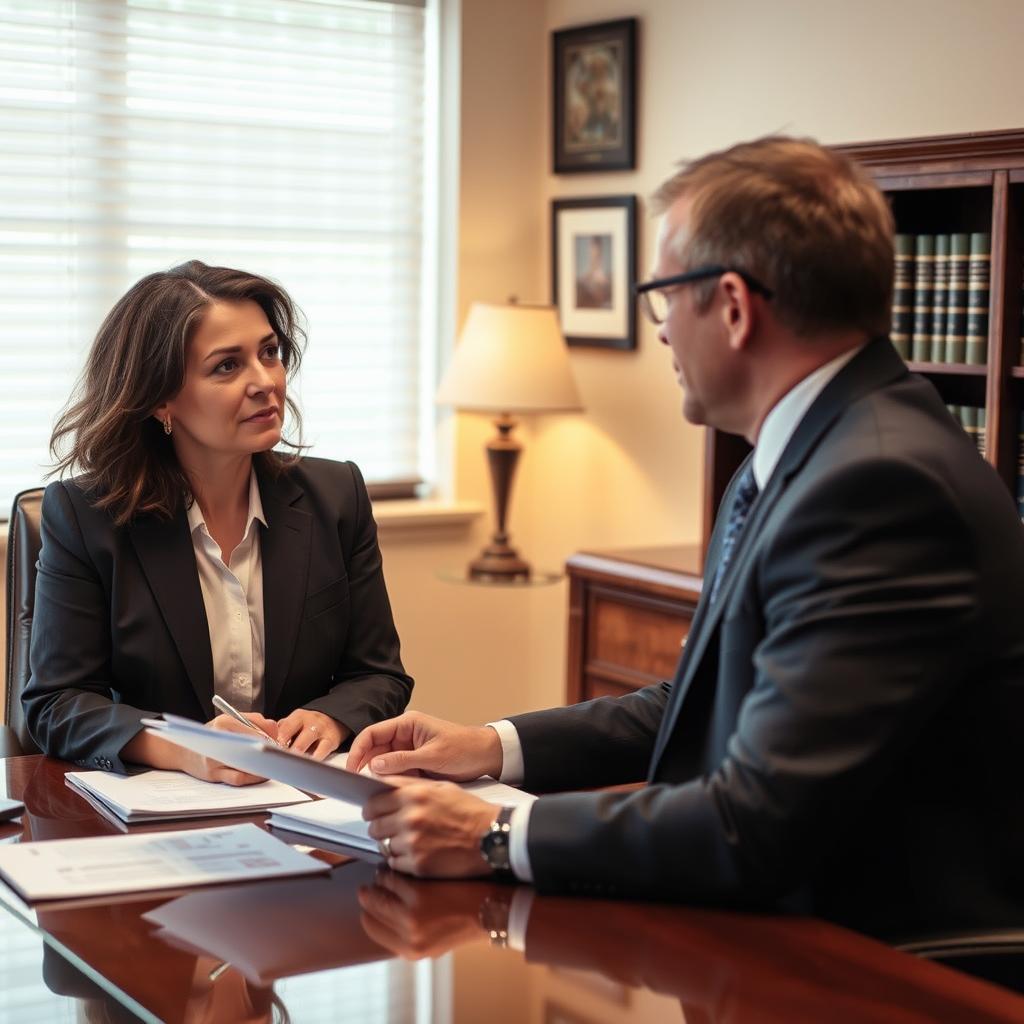
Bringing in and Harboring Aliens lawyer Fluvanna County, VA
Fluvanna County residents who are under investigation or have been charged with bringing in and harboring aliens face a serious federal prosecution. These charges, brought under 8 U.S.C. § 1324, are prosecuted by the United States Attorney’s Office for the Western District of Virginia, and cases are heard in the U.S. District Court for the Western District of Virginia. The Charlottesville division—which handles matters arising in Fluvanna County—applies the Federal Sentencing Guidelines, and the government’s investigative resources typically include Homeland Security Investigations, the FBI, and other federal agencies. Because the federal conviction rate is high and the immigration consequences of a conviction can be severe, anyone facing a bringing in and harboring aliens charge needs experienced multi‑state counsel who understands the pace and demands of federal criminal litigation. Law Offices Of SRIS, P.C., founded in 1997, represents individuals in federal criminal matters throughout Virginia from its Shenandoah location and other Virginia locations. To request a consultation, call (888) 437‑7747.
Law Offices Of SRIS, P.C. – Advocacy Without Borders.
What Bringing in and Harboring Aliens Means in Fluvanna County
Under 8 U.S.C. § 1324, the offense of bringing in and harboring aliens encompasses several distinct prohibited acts: knowingly bringing an alien into the United States at a place other than a designated port of entry, transporting an alien within the United States, concealing or harboring an alien who is present in violation of law, and encouraging or inducing an alien to come to or reside in the United States knowing that the entry or residence would be unlawful. A person does not have to be the principal organizer of a smuggling operation to face charges; acting as a driver, providing housing, or helping someone obtain employment can each support a prosecution if the government can prove the defendant knew or recklessly disregarded the alien’s unlawful status.
When a case originates in Fluvanna County—whether the alleged conduct occurred in Palmyra, Fork Union, Lake Monticello, or elsewhere in the county—it will be filed in the Charlottesville division of the U.S. District Court for the Western District of Virginia. The case will be handled by an Assistant United States Attorney, often after a grand jury returns an indictment. Federal court procedure differs markedly from state court; detention hearings are governed by the Bail Reform Act, discovery follows the Federal Rules of Criminal Procedure, and any plea or trial will be subject to the U.S. Sentencing Guidelines. Because the Western District of Virginia spans a large geographic area, local United States Attorney offices and federal probation officers have deep familiarity with the immigration-enforcement priorities that drive these prosecutions.
How Mr. Sris and His Of Counsel Handle Bringing in and Harboring Aliens Cases
A federal bringing in and harboring aliens investigation often begins quietly, with agents interviewing witnesses, reviewing financial and travel records, and serving subpoenas. Early intervention by an attorney can shape whether the matter proceeds by indictment, a target letter, or a cooperation agreement. Mr. Sris and his Of Counsel immediately work to determine whether law enforcement has followed proper procedure, whether any statements were taken in violation of Miranda or the Sixth Amendment, and whether the government’s evidence establishes the required level of knowledge or intent.
Once charges are filed, the focus shifts to pretrial motions. The firm examines whether the indictment should be dismissed for improper venue, whether evidence obtained through wiretaps or digital searches must be suppressed, and whether the government has overcharged or misapplied a sentencing enhancement. During plea negotiations, Mr. Sris and his Of Counsel thoroughly analyze the Sentencing Guidelines calculation—including any potential adjustments for acceptance of responsibility, minor role, or safety valve—to position the client for the lowest possible guideline range. If the case goes to trial, the team draws on years of federal courtroom experience to cross-examine government witnesses, challenge the admissibility of evidence, and present a defense that is tailored to the unique facts of the case.
About Mr. Sris and His Of Counsel Team
Mr. Sris, Owner and Founder of Law Offices Of SRIS, P.C., has practiced criminal defense since founding the firm in 1997. He is a former prosecutor, which gives him insight into how federal charging decisions are made and how Assistant United States Attorneys approach a case. Mr. Sris is admitted to practice in Virginia, Maryland, the District of Columbia, New Jersey, and New York, and he appears regularly in the U.S. District Court for the Western District of Virginia. Mr. Sris testified before the Virginia House Courts of Justice Committee in support of 2019 HB 635 (chief patron Del. David Bulova).
Mr. Sris is assisted by a team of Of Counsel attorneys who bring extensive federal court experience. Together, they are skilled at analyzing the immigration‑law specific elements of a § 1324 charge—such as the required mental state and the difference between “reckless disregard” and actual knowledge—and integrating that analysis with the procedural realities of the Western District of Virginia. The team works collaboratively, ensuring that every client’s matter receives close attention at every stage of the process. Clients meet with counsel by appointment at the firm’s Shenandoah location or other Virginia locations.
Frequently Asked Questions
What does the federal charge of bringing in and harboring aliens involve?
A federal charge under 8 U.S.C. § 1324 may allege that a person knowingly brought, transported, concealed, harbored, or encouraged an alien to enter or remain in the United States in violation of law. The indictment must specify which subsection of the statute is at issue, because each carries distinct elements and sentencing consequences. For example, a harboring charge requires proof that the defendant acted with the purpose of substantially facilitating the alien’s unlawful presence, not merely that shelter was provided. Federal prosecutors may also charge conspiracy under § 1324, which can broaden the government’s ability to use co‑defendant statements and other evidence.
What should I do if I am being investigated for bringing in and harboring aliens in Fluvanna County?
If you learn you are under investigation, you should immediately refrain from speaking with law enforcement without an attorney present and contact experienced federal defense counsel. Agents may ask to conduct an interview, serve a search warrant, or request documents; anything you say can be used against you in a later prosecution. An attorney can advise you whether it is appropriate to cooperate, can begin preserving evidence helpful to your defense, and can sometimes present factual or legal arguments to the United States Attorney before charges are filed.
How does a Virginia federal criminal defense lawyer defend against these charges?
Defense strategies in a bringing in and harboring aliens case commonly focus on challenging the government’s evidence of the defendant’s knowledge or intent. If the prosecution cannot prove beyond a reasonable doubt that the defendant knew the alien was unlawfully present, or that the defendant acted with the specific intent to violate the law, the charge may fail. Other defenses may include arguing that the defendant’s conduct fell within a statutory exception—such as employment of certain agricultural workers under the INA—or that law enforcement obtained evidence through an unconstitutional search or seizure. An attorney who is familiar with the local practices of the Western District of Virginia can evaluate which strategies are most likely to succeed.
What are the potential penalties for a conviction under 8 U.S.C. § 1324?
A conviction under 8 U.S.C. § 1324 can result in a substantial term of imprisonment, significant fines, supervised release, and, if the defendant is not a United States citizen, removal from the United States. The exact punishment depends on the specific paragraph of the statute that is charged, whether the offense involved serious bodily injury or death, whether the defendant has prior convictions, and the final Sentencing Guidelines calculation. Because the federal system has no parole, a defendant who receives a custodial sentence will serve the bulk of that sentence in a federal Bureau of Prisons facility.
Do I need a lawyer if I am charged in federal court in the Western District of Virginia?
Yes—federal criminal charges carry complex procedural rules, strict sentencing guidelines, and the full resources of the United States government. An experienced federal defense attorney understands the local practices of the Western District of Virginia, including the preferences of the judges and prosecutors who handle these matters. Early engagement of counsel can affect whether you are released pending trial, which motions are filed, and whether a favorable plea agreement can be negotiated. Even if you are only a witness or a target, speaking with a lawyer before talking to federal agents is essential.
For guidance on your specific situation, reach Law Offices Of SRIS, P.C. at (888) 437‑7747.
Federal Criminal Defense Across Virginia
The firm handles federal criminal matters throughout Virginia. Visit our related pages for information about federal criminal defense representation in other Virginia localities:
Federal Criminal lawyer in Fairfax County, VA |
Federal Criminal lawyer in Fairfax (City), VA |
Federal Criminal lawyer in Falls Church (City), VA |
Federal Criminal lawyer in Prince William County, VA |
Federal Criminal lawyer in Manassas (City), VA
Primary Legal Resources
For the full text of the federal statute on bringing in and harboring aliens, see 8 U.S.C. § 1324. Information about federal court procedures and local rules for the Western District of Virginia can be found on the U.S. District Court for the Western District of Virginia website.
Law Offices Of SRIS, P.C. serves clients in Fluvanna County from its Shenandoah location at 505 N Main St, Suite 103, Woodstock, VA 22664. By appointment only. Call (888) 437‑7747 to schedule a consultation.
Attorney advertising. Prior results do not guarantee a similar outcome. Results may vary.
Case results depend on a variety of factors unique to each case.