
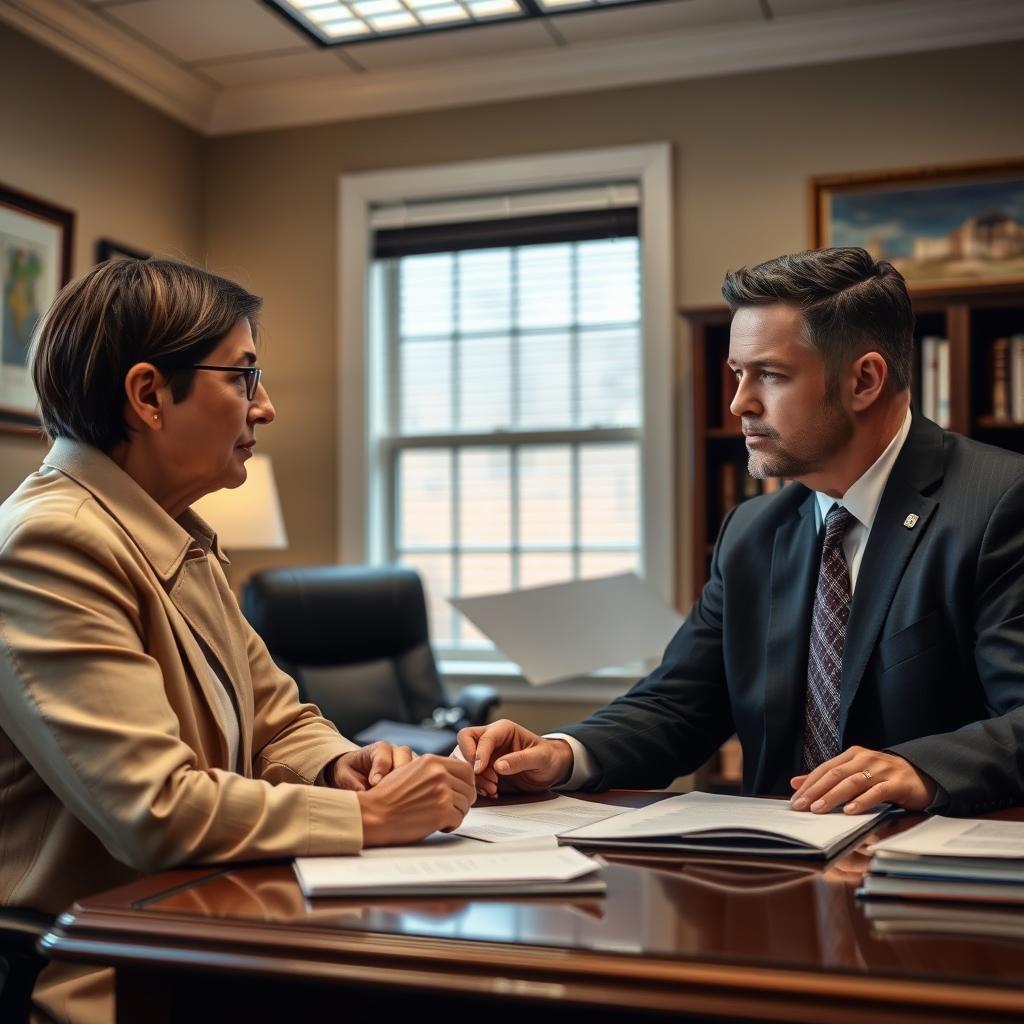
Arson/Bombing of Federal Property lawyer Goochland County, VA
Federal arson and bombing charges involving government property are among the most actively prosecuted offenses in the United States justice system. These cases fall under Title 18 of the U.S. Criminal Code and are handled in U.S. District Court, where federal prosecutors bring substantial investigative resources and pursue sentences that often carry decades of imprisonment. For residents of Goochland County, Virginia, a federal charge of this nature means proceedings before the U.S. District Court for the Eastern District of Virginia—a court with a well-established reputation for moving cases efficiently and imposing sentences that reflect the seriousness of offenses against federal property. Mr. Sris and the firm’s Of Counsel attorneys bring decades of trial experience to federal defense matters, including representation before the EDVA’s Richmond Division. Early involvement of defense counsel can materially affect how an investigation unfolds, what charges are ultimately brought, and what sentencing exposure a defendant faces. Reach Law Offices Of SRIS, P.C. at (888) 437-7747 to request a consultation. Law Offices Of SRIS, P.C. – Advocacy Without Borders.
What Federal Arson/Bombing Charges Mean in Goochland County
Federal arson and bombing offenses are codified under Title 18 of the United States Code and are prosecuted by the United States Attorney’s Office for the Eastern District of Virginia. Unlike state-level arson charges that proceed through Goochland County General District Court or Circuit Court, federal charges involving damage to government property, federal buildings, or conduct crossing state lines fall under exclusive federal jurisdiction. The Eastern District of Virginia—often called the “Rocket Docket”—is known for moving cases to trial more quickly than nearly any other federal district in the country. For a Goochland County resident facing an investigation or indictment, this means the timeline from initial appearance to trial can be compressed, making early preparation essential.
Investigations in these matters are typically led by federal agencies including the Bureau of Alcohol, Tobacco, Firearms and Explosives, the Federal Bureau of Investigation, or other investigative bodies with specialized arson and explosives experience. Federal prosecutors in the EDVA work closely with these agencies from the earliest stages, often obtaining grand jury subpoenas, search warrants, and witness testimony before an arrest is made. Goochland County residents should understand that a federal arson or bombing investigation may involve coordinated activity across multiple jurisdictions, and that statements made to investigators—even before formal charges are filed—can become central evidence in a subsequent prosecution. The firm’s Richmond Location serves clients throughout Goochland County, including Goochland, Crozier, and Oilville, and appears regularly before the Richmond Division of the U.S. District Court.
How Mr. Sris and the Firm’s Of Counsel Attorneys Handle Federal Arson Cases
Federal arson and bombing prosecutions frequently involve complex forensic evidence, including fire-origin analysis, accelerant detection reports, explosive-residue testing, and digital evidence from communication devices. Mr. Sris and the firm’s Of Counsel attorneys approach each case by first examining the government’s investigative methods, the chain of custody for physical evidence, and the legal sufficiency of any search warrants or subpoenas used to gather evidence. Challenges to expert testimony under the federal Daubert standard, motions to suppress evidence obtained through constitutionally questionable searches, and scrutiny of witness identification procedures are integral to building a well-prepared defense.
The federal criminal process moves through distinct phases—initial appearance before a magistrate judge, detention hearing, preliminary hearing or grand jury indictment, arraignment, discovery, pretrial motions, and, if no resolution is reached, trial. At each stage, defense counsel has opportunities to argue for pretrial release, to negotiate with the U.S. Attorney’s Office, and to present mitigating factors that may influence charging decisions. Federal sentencing under the U.S. Sentencing Guidelines involves a detailed calculation of offense level and criminal history, with adjustments for acceptance of responsibility, role in the offense, and other factors. Post-Booker, the guidelines are advisory, but they remain highly influential in the EDVA. Mr. Sris, a former prosecutor, draws on prosecutorial experience to anticipate how the government will build its case and where its theories may be vulnerable.
About Mr. Sris and the Firm’s Of Counsel Attorneys
Mr. Sris, Owner and Founder of Law Offices Of SRIS, P.C., has practiced law since 1997 and is admitted in Virginia, Maryland, the District of Columbia, New Jersey, and New York. His background as a former prosecutor informs his approach to federal criminal defense, providing insight into how charging decisions are made, how grand jury investigations are conducted, and how sentencing recommendations are formulated. Mr. Sris testified before the Virginia House Courts of Justice Committee in support of 2019 HB 635 (chief patron Del. David Bulova). He maintains a focused caseload to ensure thorough attention to each matter the firm accepts.
The firm’s Of Counsel attorneys include practitioners with extensive litigation backgrounds who regularly appear in federal and state courts across multiple jurisdictions. Together, Mr. Sris and the firm’s Of Counsel attorneys work collaboratively on federal criminal matters, drawing on collective courtroom experience to develop defense strategies tailored to the specific facts of each case. For federal arson and bombing charges in the Eastern District of Virginia, the firm brings familiarity with local federal practice, including the procedures and expectations of the Richmond Division. The firm was founded in 1997 and serves clients across five states and the District of Columbia.
Frequently Asked Questions
What constitutes arson or bombing of federal property under federal law?
Federal arson and bombing offenses are defined under Title 18 of the U.S. Code and apply to damage or destruction of government buildings, federal lands, military installations, and property used in interstate commerce. The federal government asserts jurisdiction when the damaged property belongs to or is leased by the federal government, when the offense occurs on federal land such as a national park or military base, or when the conduct crosses state lines. Prosecutors may also charge related offenses including possession of destructive devices, conspiracy, and use of fire or explosives in the commission of a felony, each carrying its own sentencing exposure under the federal guidelines.
What are the potential penalties for arson or bombing of federal property?
Penalties for federal arson and bombing convictions can include lengthy imprisonment, substantial fines, and terms of supervised release. The specific sentencing range depends on the statutory provisions charged, any mandatory minimums that apply, the calculated offense level under the U.S. Sentencing Guidelines, and the defendant’s criminal history. Federal law provides for enhanced penalties when the offense results in personal injury or death, or when the property involved is a federal building or facility. The federal system does not offer parole, though good-time credit can reduce a sentence by a limited number of days per year. Each case is unique, and outcomes depend on the specific facts and circumstances.
How does a defense attorney challenge federal arson or bombing charges?
A defense attorney challenges federal arson and bombing charges by examining the government’s evidence, the legality of searches and seizures, the reliability of forensic methods, and the sufficiency of any connection between the accused and the alleged conduct. Federal investigations in these cases often involve extensive forensic work—fire-scene examination, chemical analysis, and digital forensics—and defense counsel may retain independent attorneys to review the government’s findings. Pretrial motions may seek to exclude evidence obtained through flawed warrants, to challenge the admissibility of expert testimony, or to sever charges for separate trial. The firm’s Of Counsel attorneys evaluate each case individually to identify the most appropriate defense strategy based on the facts.
What should I do if I am under investigation for arson or bombing of federal property?
If you are under investigation, contact experienced federal defense counsel immediately and do not speak with investigators without an attorney present. Federal agents are trained to obtain statements that can be used in a subsequent prosecution, and even seemingly harmless remarks can become central to the government’s case. Preserve any documents or electronic records that may be relevant, but do not attempt to contact potential witnesses or discuss the matter with anyone other than your lawyer. Early engagement of defense counsel—before indictment if possible—can allow an attorney to communicate with prosecutors, present exculpatory information, and in some cases influence whether charges are filed.
Do I need a lawyer for federal arson or bombing charges in Virginia?
Yes; federal charges of this nature carry severe potential penalties, and the procedural and evidentiary rules of federal court are distinct from those of Virginia state courts. Federal prosecutors in the Eastern District of Virginia handle a high volume of serious felony cases and are supported by investigative agencies with substantial resources. The federal sentencing guidelines, mandatory minimum statutes, and the absence of parole make the stakes exceptionally high. An attorney experienced in federal practice can assess whether the government’s evidence meets its burden, identify grounds for pretrial motions, negotiate with prosecutors where appropriate, and present a thorough case at sentencing if a conviction occurs. Results may vary.
How do federal sentencing guidelines apply to arson and bombing cases?
Federal sentencing guidelines calculate an advisory range based on the specific offense conduct, any enhancements for factors such as use of a destructive device or substantial property damage, and the defendant’s criminal history category. The base offense level for arson under the guidelines increases significantly when the offense involves federal property, risk of death or serious injury, or the use of explosives. The court also considers adjustments for acceptance of responsibility, substantial assistance to the government under Section 5K1.1, and any mandatory minimums set by statute. While the guidelines are advisory after United States v. Booker, judges in the Eastern District of Virginia give them substantial weight in determining a sentence. To discuss the details of your matter, contact Law Offices Of SRIS, P.C. at (888) 437-7747.
Attorney advertising. Prior results do not guarantee a similar outcome. Case results depend on a variety of factors unique to each case. Results may vary.