
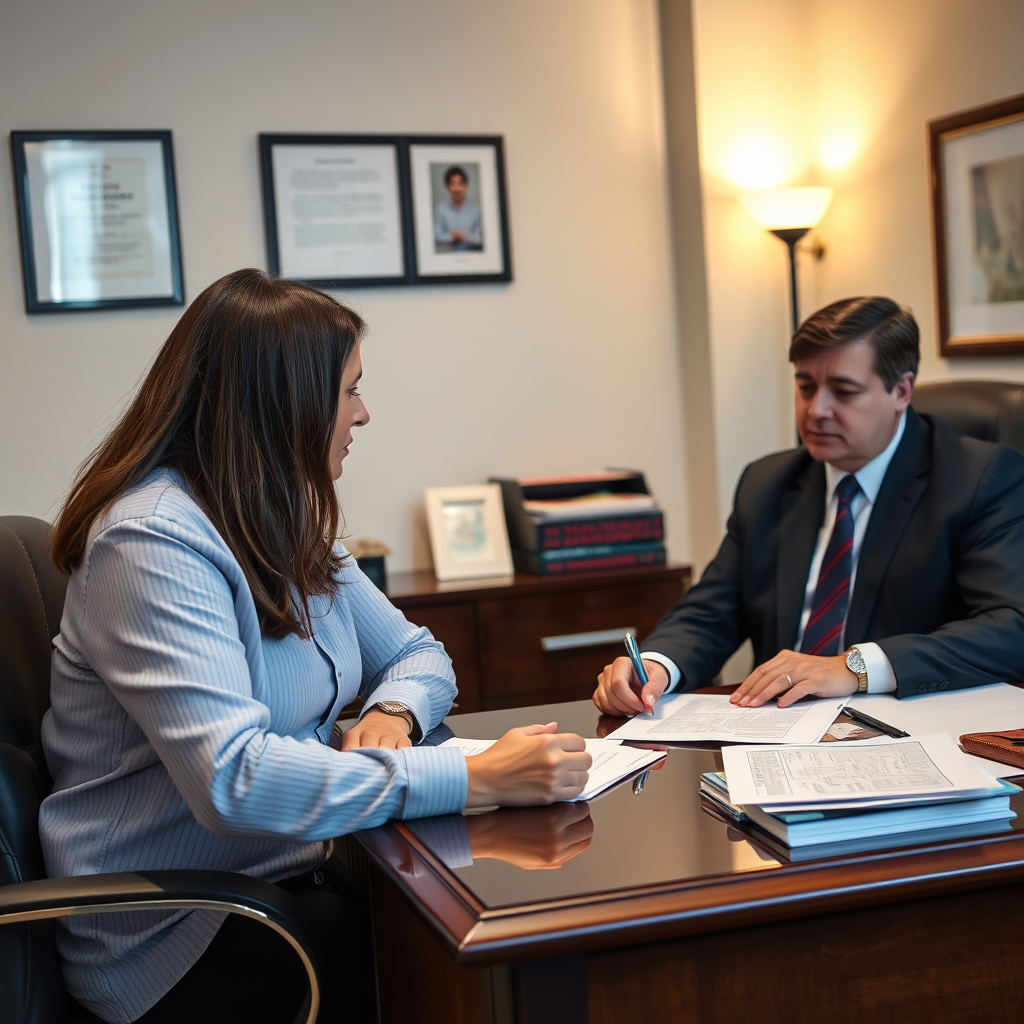
Federal Human Trafficking & Forced Labor Defense: Protecting Your Rights
As of January 2026, the following information applies. In Federal jurisdiction, human trafficking and forced labor involve compelling individuals into involuntary servitude or commercial sex acts. These serious federal charges carry severe penalties. The Law Offices Of SRIS, P.C. provides dedicated legal defense for these complex matters, helping those accused understand their options and fight for their future.
Confirmed by Law Offices Of SRIS, P.C.
What is Human Trafficking and Forced Labor under Federal Law?
When we talk about human trafficking and forced labor at the federal level, we’re discussing some of the most serious crimes imaginable. It’s not just about moving people across borders; it’s fundamentally about exploiting individuals for profit through coercion, fraud, or force. Federal law broadly defines human trafficking to include both sex trafficking—where someone is compelled into commercial sex acts—and labor trafficking, which involves forcing individuals into servitude against their will. This could mean anything from working in deplorable conditions to being held in debt bondage.
Forced labor, specifically, falls under this umbrella, criminalizing situations where people are made to work through threats, physical restraint, or by seizing their identity documents. It’s about taking away someone’s freedom and using them for personal or financial gain. These aren’t just abstract legal concepts; they represent profound violations of human dignity, and federal prosecutors take them extremely seriously. The consequences for those accused are life-altering, making a robust defense absolutely essential.
Understanding the distinction from human smuggling law is also important. While human smuggling typically involves illegally transporting people across borders, human trafficking focuses on the exploitation aspect—what happens to individuals after they’ve been moved, or even if they haven’t been moved at all. The core difference lies in the intent: smuggling is about illicit transport; trafficking is about illicit exploitation. Both are federal offenses, but they operate under different legal frameworks and evidentiary requirements.
Blunt Truth: Federal human trafficking statutes are designed to cast a wide net, meaning actions that might seem peripheral could still draw severe charges. You don’t have to be the “ringleader” to face decades in prison.
Takeaway Summary: Federal human trafficking and forced labor laws target the exploitation of individuals through force, fraud, or coercion for labor or commercial sex, distinct from human smuggling which focuses on illegal border crossing. (Confirmed by Law Offices Of SRIS, P.C.)
How Do You Respond to Federal Human Trafficking & Forced Labor Charges?
Facing accusations of human trafficking or forced labor under federal law can feel like the world is collapsing around you. It’s a daunting situation, but it’s important to understand that you have rights, and a strategic response can make all the difference. This isn’t the time for guesswork or hoping things will just blow over. This is when you need to act decisively and intelligently.
- Silence is Your Strongest Ally: When federal agents approach you, remember that anything you say can and will be used against you. Don’t try to explain your side of the story or answer questions without legal counsel present. Politely state that you wish to speak with an attorney before answering any questions. This isn’t an admission of guilt; it’s a smart exercise of your Fifth Amendment rights.
- Secure Knowledgeable Legal Counsel Immediately: Federal charges are not like state charges; they involve different procedures, different courts, and often, much tougher prosecutors. You need a seasoned defense attorney who understands the nuances of federal human trafficking law, someone who has stood in federal court defending similar allegations. Don’t delay; the sooner your legal team is involved, the more time they have to build your defense.
- Understand the Specific Charges Against You: Federal human trafficking cases can involve a variety of statutes, including those related to peonage, slavery, involuntary servitude, and forced labor. Each charge has specific elements that the prosecution must prove beyond a reasonable doubt. Your attorney will help you dissect these charges, explaining what the government alleges and what evidence they might use. This clarity is vital for crafting an effective defense strategy.
- Gather All Relevant Information and Documents: Work closely with your defense team to compile any and all information that could be pertinent to your case. This includes communication records, financial statements, travel documents, employment records, and witness contacts. Even seemingly insignificant details could become essential pieces of your defense puzzle. Organization and thoroughness here can be invaluable.
- Cooperate Fully with Your Defense Team: Your defense attorney is your advocate. Be completely honest and transparent with them, even about details you find embarrassing or uncomfortable. They can’t effectively defend you if they don’t have the full picture. Trust in their ability to protect your interests and follow their advice on legal strategy, court appearances, and interactions with law enforcement.
- Prepare for the Rigors of Federal Court: Federal cases often involve extensive investigations, grand jury proceedings, and potentially lengthy trials. Be ready for a demanding legal process. This means being mentally prepared for court dates, adhering to legal deadlines, and participating actively in your defense strategy sessions. Your legal team will guide you through each step, but your engagement is key.
- Explore All Possible Defense Strategies: No two human trafficking cases are identical. Your defense might involve challenging the prosecution’s evidence, asserting a lack of intent, proving mistaken identity, or demonstrating that any labor or services were voluntary. Your attorney will thoroughly review the government’s case, identifying weaknesses and developing the strongest possible defense tailored to your unique circumstances. This could include negotiating plea agreements, if appropriate, or preparing for a vigorous trial.
These steps are not just bureaucratic hurdles; they are the foundation of a strong defense against grave federal accusations. Taking them seriously, and with the guidance of a knowledgeable attorney, is your best shot at protecting your freedom and reputation.
Can I Fight Against Federal Modern Slavery Charges?
The term “modern slavery charges” truly captures the weight and gravity of what’s at stake in federal human trafficking and forced labor cases. It’s natural to feel overwhelmed, even hopeless, when facing such profound allegations. You might wonder if there’s any way to effectively push back against the full force of federal prosecution. The honest answer is: Yes, you absolutely can fight these charges, but it requires a very specific approach and the right legal team.
Blunt Truth: Many assume that a federal indictment means an inevitable conviction. That’s simply not true. It means the government believes it has a case, but it doesn’t mean they’re infallible.
Federal prosecutors have immense resources, and they often build their cases meticulously. However, they are still bound by the law and must prove every element of their case beyond a reasonable doubt. This is where a tenacious and knowledgeable defense comes in. Strategies for defending against modern slavery charges often involve:
- Challenging Intent: A key element in many federal trafficking statutes is the intent to exploit. If the prosecution cannot prove you intended to coerce, defraud, or force someone into labor or commercial sex, their case weakens significantly.
- Disputing Coercion or Force: Your defense might focus on demonstrating that the alleged victim was not subjected to force, fraud, or coercion, or that any services provided were voluntary.
- Questioning Evidence: Federal cases rely heavily on evidence, which can include witness testimony, electronic communications, financial records, and surveillance. A skilled defense attorney will meticulously scrutinize every piece of evidence, looking for inconsistencies, violations of your constitutional rights, or inadmissible material.
- Mistaken Identity or False Accusations: Unfortunately, false accusations do occur, or individuals can be wrongly identified. A strong defense will investigate these possibilities thoroughly.
While specific case outcomes can’t be guaranteed (past results do not predict future outcomes), the possibility of a successful defense, whether through dismissal, acquittal, or a favorable plea agreement, is real. It hinges on having dedicated legal representation that’s prepared to challenge the government at every turn and advocate tirelessly on your behalf. Don’t let the fear paralyze you; instead, channel that energy into building the strongest possible defense.
Why Hire Law Offices Of SRIS, P.C. for Your Federal Human Trafficking & Forced Labor Defense?
When your freedom and future are on the line, choosing the right legal representation isn’t just a decision—it’s the decision. Facing federal human trafficking or forced labor charges demands a defense team that combines deep legal understanding with unwavering dedication. At the Law Offices Of SRIS, P.C., we recognize the immense pressure you’re under and are prepared to stand with you.
Mr. Sris, the founder and principal attorney, brings a profound level of commitment and a wealth of experience to federal criminal defense. His approach is rooted in personal attention to the toughest cases. As Mr. Sris himself articulates, “My focus since founding the firm in 1997 has always been directed towards personally handling the most challenging and complex criminal and family law matters our clients face.” This isn’t just a philosophy; it’s a practice demonstrated through years of defending individuals against severe allegations, including those under federal jurisdiction. His background uniquely positions the firm to tackle cases with intricate financial or technological components, which are often present in modern human trafficking investigations.
Our team understands the federal court system, its strict procedures, and the high stakes involved. We are prepared to meticulously investigate the prosecution’s claims, challenge evidence, and build a strategic defense aimed at protecting your rights and achieving the best possible outcome. We don’t just process cases; we defend people, ensuring every client receives a vigorous and personalized defense.
Choosing Law Offices Of SRIS, P.C. means partnering with a firm that prioritizes your future. We offer confidential case reviews, providing a space for you to openly discuss your situation without judgment and understand your legal options. Our commitment is to provide clear, direct, and reassuring counsel throughout what is undeniably one of the most difficult periods of your life.
Law Offices Of SRIS, P.C. has locations in Fairfax, serving the federal jurisdiction. Our address is:
4008 Williamsburg Court, Fairfax, VA, 22032, US
You can reach us directly at:
+1-703-636-5417
Call now to schedule a confidential case review and begin building your defense. We’re here to help you understand your situation and fight for your future.
Federal Human Trafficking & Forced Labor FAQ
- What’s the difference between human trafficking and human smuggling?
- Human trafficking involves exploiting individuals for forced labor or commercial sex through coercion. Human smuggling, conversely, is about illegally transporting people across international borders, typically with consent, though often under dangerous conditions. The key is exploitation versus illegal transit.
- What are the typical penalties for federal human trafficking?
- Penalties for federal human trafficking are severe, often including lengthy prison sentences, substantial fines, and restitution to victims. Sentences can range from 15 years to life imprisonment, depending on the specifics of the offense and any aggravating factors involved in the case.
- Can I be charged if I didn’t physically move someone across state lines?
- Yes, absolutely. Federal human trafficking laws do not always require physical transportation across state lines or international borders. Facilitating, harboring, or benefiting from the exploitation of an individual through force or coercion within a single state can still lead to federal charges.
- What if I was forced into forced labor myself and am now being accused?
- If you were a victim of forced labor, that is a critical defense point. Federal law provides protections for victims. Your attorney will work to establish your victim status, which can lead to charges being dropped or significantly reduced, and connect you with appropriate support services.
- How does a trafficking ring defense typically work?
- Defending against charges within a larger trafficking ring often involves challenging the extent of your involvement, disputing knowledge or intent, or arguing misidentification. Your defense team will work to separate your actions from others, highlighting any lack of direct participation in the core exploitative acts.
- What kind of evidence is usually used in these federal cases?
- Federal human trafficking cases often rely on a wide range of evidence, including electronic communications, financial records, witness testimony, travel documents, and sometimes surveillance footage. Forensic analysis of digital devices and testimony also frequently play a significant role in these complex prosecutions.
- Is federal jurisdiction truly different from state-level charges?
- Yes, federal jurisdiction is distinct. Federal cases are handled by U.S. Attorneys in federal courts, under federal statutes and sentencing guidelines. These cases often involve more extensive resources for prosecution and typically carry harsher penalties than comparable state charges, requiring specialized defense experience.
- What should I do if I’m approached or interviewed by federal agents?
- If federal agents approach you for questioning, politely but firmly state that you wish to speak with an attorney before answering any questions. Do not make any statements, sign any documents, or consent to any searches. Immediately contact a knowledgeable federal defense attorney for guidance.
- Can I get bail or bond in a federal human trafficking case?
- Securing bail or bond in federal human trafficking cases can be challenging, as these are considered serious offenses with flight risks. However, it’s not impossible. Your attorney can argue for your release based on factors like community ties, lack of criminal history, and the strength of the evidence against you.
- What does a confidential case review entail with your firm?
- A confidential case review is an opportunity to discuss the specifics of your situation with an attorney from Law Offices Of SRIS, P.C. in complete confidence. We’ll listen to your story, assess the details of the charges, and provide an initial understanding of your legal options without judgment or obligation.
The Law Offices Of SRIS, P.C. has locations in Virginia in Fairfax, Loudoun, Arlington, Shenandoah and Richmond. In Maryland, our location is in Rockville. In New York, we have a location in Buffalo. In New Jersey, we have a location in Tinton Falls.
Past results do not predict future outcomes.