
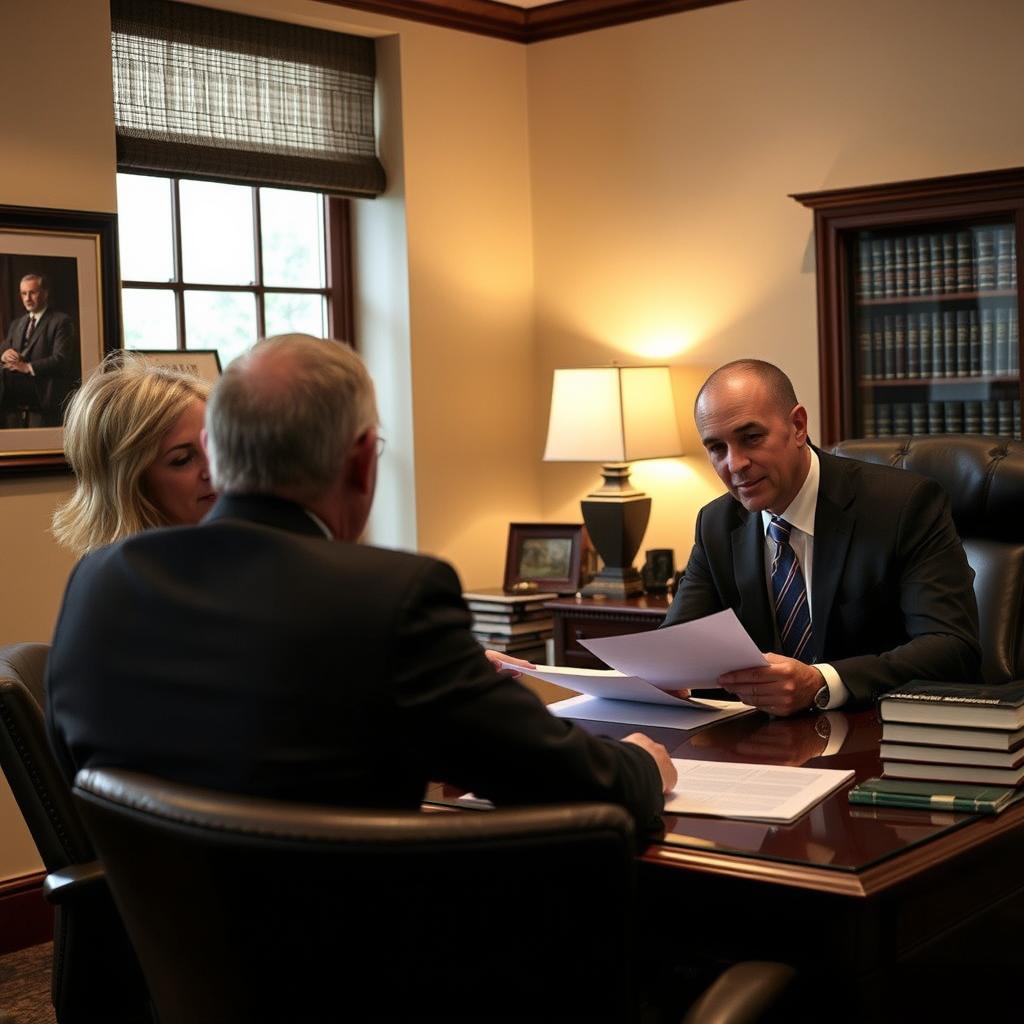
Aiding Preparation of False Tax Return lawyer Goochland County, VA
Aiding preparation of a false tax return is a serious federal charge investigated by the IRS Criminal Investigation Division and prosecuted by the U.S. Attorney’s Office in the Eastern District of Virginia. Under 26 U.S.C. §§ 7201‑7207, a conviction carries significant exposure, including a maximum penalty of three to five years per count and substantial monetary fines. The federal system has no parole, and the U.S. Sentencing Guidelines strongly influence the term of incarceration. For anyone in Goochland County who learns they are the subject of an IRS inquiry, securing experienced federal defense counsel at the earliest stage is critical. Mr. Sris and the firm’s Of Counsel attorneys handle federal criminal matters in the U.S. District Court for the Eastern District of Virginia, including the Richmond Division. To speak with Mr. Sris about your situation, call (888) 437‑7747. Law Offices Of SRIS, P.C. – Advocacy Without Borders.
Understanding a Federal Aiding Preparation of False Tax Return Charge
The offense commonly referred to as “aiding preparation of a false tax return” is governed by the tax crimes provisions of the Internal Revenue Code. While the specific charging statute depends on the conduct alleged—often 26 U.S.C. § 7206(2)—the core allegation is that a person willfully assisted in preparing a return that contained materially false information. This is not a matter of clerical error; the government must prove that the defendant acted knowingly and intentionally. The IRS Criminal Investigation Division typically builds these cases through document analysis, interviews, and sometimes undercover operations before referring them for prosecution.
In the Eastern District of Virginia, which covers Goochland County, federal tax cases are handled with particular efficiency. The U.S. Attorney’s Office in the Richmond Division has substantial experience with financial crime. The Federal Rules of Criminal Procedure govern every stage, from initial appearance through sentencing. Because federal sentencing relies on a guidelines calculation that weighs the tax loss amount, the defendant’s role, and acceptance of responsibility, early intervention by counsel can materially affect the eventual outcome. The firm’s approach begins by examining the government’s evidence, evaluating compliance with IRS procedures, and determining whether the alleged conduct meets the statutory elements of a willful violation.
How the Firm Approaches Federal Tax Defense in the Eastern District of Virginia
Mr. Sris, as Owner and Founder of Law Offices Of SRIS, P.C., directs the firm’s federal defense strategy. The firm’s Of Counsel attorneys bring extensive combined legal experience in federal criminal matters. Together, they work to challenge the government’s proof, negotiate with prosecutors, and, when warranted, prepare the case for trial.
Representation often begins before an indictment is returned, during the investigative phase. At that point, counsel may be able to present information to the investigating agents or the Assistant U.S. Attorney that dissuades prosecution or narrows the charges. Once indicted, the focus shifts to discovery, motion practice, and ensuring that the client understands the options—including the risks and benefits of a plea negotiation under the U.S. Sentencing Guidelines. The firm’s familiarity with the Richmond Division’s procedures and the local federal bench allows it to advise clients realistically about what to expect. Throughout the process, the goal is to protect the client’s rights while seeking the most favorable resolution achievable under the facts and the law.
Frequently Asked Questions
What does “aiding preparation of a false tax return” mean under federal law?
Aiding preparation of a false tax return means assisting another person in preparing a tax return that the preparer knows contains materially false information, in violation of 26 U.S.C. § 7206(2). The government must prove the defendant acted willfully—not by mistake or accident—and that the false information was material. The crime does not require that the preparer personally filed the return; helping to create a document that is later submitted can suffice. Conviction carries a potential sentence of up to three years in prison, a fine, and the possibility of supervised release and restitution.
Who investigates federal tax return preparation crimes in Virginia?
Federal tax return preparation crimes are primarily investigated by the IRS Criminal Investigation Division (IRS-CI), often in coordination with the U.S. Attorney’s Office for the Eastern District of Virginia. IRS-CI special agents are trained to trace financial transactions, interview witnesses, and gather documentary evidence. Other agencies, such as the FBI or the Treasury Inspector General for Tax Administration, may also be involved depending on the nature of the alleged scheme. Investigations can take months or years before charges are filed.
What should I do if I suspect I am under investigation for a false tax return in Goochland County?
If you suspect you are under investigation, do not speak with IRS agents or federal investigators without counsel present, and immediately seek legal representation from a federal defense attorney. Any statement you make can be used against you. Preserve all tax records, emails, and correspondence, but do not alter or destroy documents. Contacting an experienced federal defense lawyer early may allow the attorney to open a dialogue with the investigating agency or the prosecutor and possibly influence the direction of the case before indictment.
How does the federal court process work in the Eastern District of Virginia?
Federal criminal cases begin with an indictment or information filed in the U.S. District Court for the Eastern District of Virginia, followed by an initial appearance, arraignment, pretrial motions, and, if no plea is entered, a trial. The Richmond Division handles cases arising from Goochland County and the surrounding area. After an arrest or summons, the defendant appears before a magistrate judge. The Speedy Trial Act imposes deadlines, though many delays are routinely excluded. Sentencing occurs after a conviction or guilty plea and is governed by the U.S. Sentencing Guidelines, which the judge considers advisory.
Can a charge for aiding a false tax return be dismissed?
Yes, a federal tax charge can be dismissed if the government’s evidence is insufficient, if constitutional violations occurred, or if legal arguments persuade the court—but dismissals are not guaranteed. Pretrial motions may challenge the indictment’s sufficiency, the legality of a search, or the government’s failure to prove an essential element of the offense. In some cases, cooperation with the government can lead to a dismissal or reduction of charges. An experienced defense attorney can evaluate whether a motion to dismiss is viable under the specific facts.
What penalties am I facing for aiding a false tax return?
Under 26 U.S.C. § 7206, a conviction for willfully aiding preparation of a false return is a felony punishable by up to three years in federal prison, a fine of up to $250,000 for individuals, and a term of supervised release. Additional consequences may include restitution for any tax loss, loss of professional licenses, and collateral consequences such as damage to credit and employment prospects. The actual sentence is influenced by the U.S. Sentencing Guidelines, which calculate a range based on the tax loss, the defendant’s criminal history, and any acceptance of responsibility.
How does a federal tax case differ from a state tax case?
Federal tax cases are prosecuted in U.S. District Court under the Internal Revenue Code and the Federal Sentencing Guidelines, with no possibility of parole; state tax cases involve state revenue codes and often different procedural rules and penalties. Federal dockets in the Eastern District of Virginia are managed by Assistant U.S. Attorneys who regularly handle complex financial crime, while state tax crimes, if pursued, would proceed in Virginia Circuit Court. Federal sentencing exposure is typically more severe, and the investigative resources available to federal agencies are substantial.
Do I need a lawyer if I am only a witness or a subject, not a target?
Yes, anyone contacted by federal agents in connection with a false tax return investigation should seek legal counsel, even if they are not a target. A person’s status can change quickly during an investigation. A lawyer can help a witness understand the risks, prepare for an interview, and negotiate immunity or proffer agreements if appropriate. Providing information without protection can inadvertently expose the witness to criminal liability.
What is the statute of limitations for federal tax crimes?
The general statute of limitations for federal tax offenses, including aiding a false tax return under 26 U.S.C. § 7206, is six years from the date the return was filed or the last affirmative act of evasion. Certain circumstances, such as the defendant being outside the United States, can suspend the running of the limitations period. Because the government may charge conduct dating back several years, preserving records is important. A defense lawyer can assess whether a limitations bar applies.
How does Mr. Sris handle federal criminal tax cases?
Mr. Sris, as Owner and Founder of Law Offices Of SRIS, P.C., personally directs the firm’s federal criminal defense efforts, with support from the firm’s Of Counsel attorneys who have substantial federal court experience. The approach begins with a detailed review of the government’s evidence and the procedural history of the investigation. The team examines every aspect of the prosecution’s case—from the constitutionality of searches and seizures to the reliability of financial records—to build a defense tailored to the client’s specific circumstances. Throughout the matter, Mr. Sris keeps the client informed and works to achieve the trusted … Result under the applicable law and guidelines.
About Mr. Sris and the Firm’s Of Counsel Attorneys
Mr. Sris, Owner and Founder of Law Offices Of SRIS, P.C., has been practicing since 1997 and is admitted in Virginia, Maryland, the District of Columbia, New Jersey, and New York. A former prosecutor, he understands how the government builds its cases and uses that insight to defend individuals facing federal charges. The firm’s Of Counsel attorneys bring additional depth, including substantial experience in federal criminal litigation. Together, Mr. Sris and the firm’s Of Counsel attorneys focus on providing diligent representation to clients in the Eastern District of Virginia and beyond.
The firm’s Richmond location at 7400 Beaufont Springs Drive, Suite 300, Room 395, Richmond, VA 23225, serves Goochland County and the surrounding area. Consultations are by appointment. Call (888) 437‑7747 to schedule.
Attorney advertising. Prior results do not guarantee a similar outcome.
Results may vary.
Case results depend on a variety of factors unique to each case.