
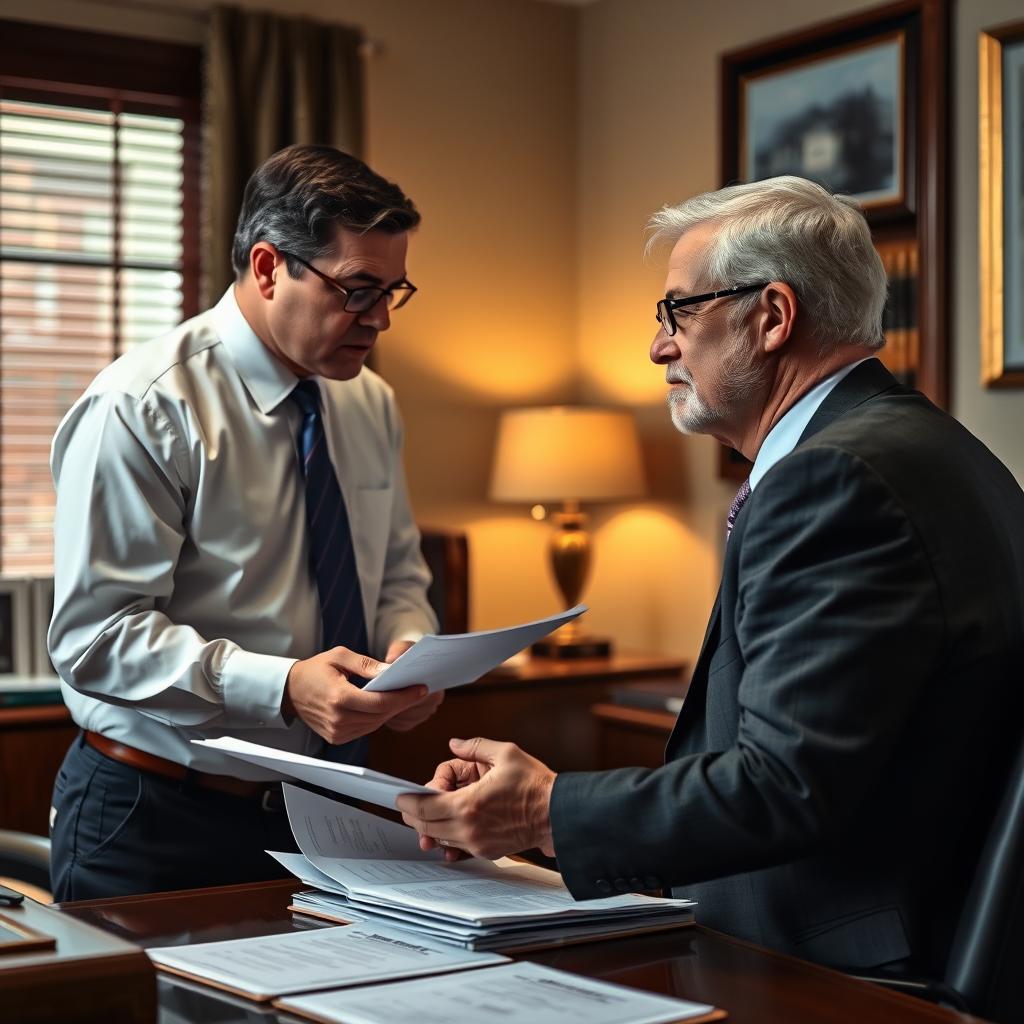
Visa/Permit/Document Fraud lawyer Dinwiddie County, VA
You received a target letter this morning. The U.S. Attorney’s Office for the Eastern District of Virginia is investigating visa, permit, or document fraud allegations connected to you or your business. Federal agents have already interviewed former associates, and the government has issued subpoenas for your records. The pressure is immediate—every conversation you have, every document you release, and every decision you make can affect the direction of the investigation. At this moment, you need counsel who understands federal fraud prosecutions in Virginia. Law Offices Of SRIS, P.C., practicing since 1997, represents individuals and businesses targeted in federal fraud investigations. Reach us at (888) 437-7747 to schedule a consultation. By appointment only. Law Offices Of SRIS, P.C. – Advocacy Without Borders.
Defending Visa, Permit, and Document Fraud Charges in Federal Court
The core of a federal fraud case often turns on intent and documentation. Federal prosecutors must prove that you knowingly made a false statement, used a fraudulent document, or participated in a scheme to deceive immigration authorities, permit-issuing agencies, or government programs. Our approach is to examine every piece of the government’s evidence—how it was gathered, whether it is complete, and whether it supports the required criminal intent. We work to identify weaknesses in the investigation, challenge the admissibility of evidence, and develop a theory of the case that humanizes you and provides context. Negotiating with federal prosecutors is an integral part of the process; where appropriate, we seek pretrial resolution, but we prepare every matter as though it will go to trial at the U.S. District Court for the Eastern District of Virginia. Every decision is made with your specific situation in focus, not with a template.
What to Expect in a Federal Fraud Investigation in the Eastern District of Virginia
A federal fraud investigation typically begins long before an arrest. Federal agencies—such as the FBI, Diplomatic Security Service, or U.S. Immigration and Customs Enforcement—gather evidence through surveillance, interviews, document requests, and grand jury subpoenas. The grand jury, sitting in Alexandria or Richmond, hears testimony and reviews documents in secret. If an indictment is returned, you will be arrested or summoned to appear. The initial appearance and detention hearing occur quickly. A federal magistrate judge decides whether you remain free pending trial. The Speedy Trial Act and the complexity of document-heavy fraud cases drive the calendar, but federal proceedings can take many months. Engaging counsel early in the investigation—before an indictment—can give your defense team the greatest opportunity to shape the narrative and potentially avoid charges altogether.
Consequences of a Federal Fraud Conviction
Federal fraud convictions carry severe consequences. The penalty range depends on the specific statute charged, the amount of loss attributed to the scheme, and the number of victims. Sentencing follows the United States Sentencing Guidelines, which calculate a point-based offense level and criminal history category. Judges have significant discretion after United States v. Booker, but certain fraud statutes have mandatory minimums, and restitution is nearly always ordered. A conviction may also impact your immigration status, professional licenses, and security clearances. Because the federal system has no parole, a sentence of incarceration means serving most of the sentence. Understanding the stakes is critical, and we ensure you are fully informed about the potential penalties before making any decision about how to proceed in your case.
Legal Representation from an Experienced Federal Criminal Defense Team
Mr. Sris, Owner and Founder of Law Offices Of SRIS, P.C., is a former prosecutor. His experience on the other side of the courtroom shapes the firm’s approach to federal criminal defense—knowing how the government builds a fraud case allows us to anticipate their moves and construct a strategic response. The firm’s Of Counsel attorneys bring further trial and litigation proficiency, working collaboratively to prepare every matter with thorough investigation and motion practice. Together, Mr. Sris and the firm’s Of Counsel attorneys appear in federal courtrooms across Virginia, including at the U.S. District Court in Richmond. We are available to discuss your situation at (888) 437-7747. By appointment only.
Frequently Asked Questions
What should I do if I am under investigation for visa or document fraud?
Do not speak with federal agents or anyone else about the allegations until you have consulted with an attorney. Explain that you are invoking your right to counsel and decline to answer questions. Preserve all documents, emails, and messages because they may be critical to your defense. Contact an experienced federal criminal lawyer at (888) 437-7747 immediately to discuss your situation.
What is the difference between a federal fraud charge and a state fraud charge?
Federal fraud charges are prosecuted by the U.S. Attorney in federal court and carry harsher sentencing guidelines; state charges are brought by a local prosecutor in state court. Federal cases involve agencies like the FBI and are subject to the Federal Sentencing Guidelines, which often result in longer sentences and mandatory restitution. There is no parole in the federal system. State cases follow Virginia’s sentencing structure and offer parole possibilities in some circumstances.
Can I be charged with visa fraud if I did not personally sign the false document?
Yes, if you knowingly participated in a scheme to submit false documents, you can be charged even if someone else physically signed the form. Federal fraud statutes cover conspiring to commit fraud, aiding and abetting, and causing false statements to be made. The government does not need to prove you were the one who signed; it must prove you were part of the plan and intended to deceive.
How do federal sentencing guidelines apply to visa fraud?
The guidelines set a base offense level that increases based on the financial loss, number of fraudulent documents, and whether the offense involved sophisticated means or a leadership role. Additional enhancements may apply if the fraud involved a national security concern or the use of a U.S. Visa or passport. Our role is to show the court mitigating factors, seek downward departures where appropriate, and argue for a sentence that reflects all the circumstances of your case.
Will I go to jail if convicted of federal document fraud?
Many federal fraud convictions result in incarceration, but the sentence depends on the offense level, the individual’s criminal history, and the strength of the defense presented. Some first-time offenders with minimal loss amounts may avoid prison, but because federal sentencing guidelines are tough, a jail sentence is a realistic possibility. We work to advocate for the least severe outcome achievable under the facts.
How can a lawyer help me before I am indicted?
An attorney can intervene early by communicating with federal prosecutors, presenting exculpatory evidence, and negotiating a non-prosecution agreement or a pretrial diversion. Early representation often results in the government declining charges altogether. Even if an indictment is unavoidable, early involvement allows your defense team to preserve evidence, interview witnesses while memories are fresh, and shape the investigation’s trajectory.
For related federal defense resources, visit our pages: Federal Criminal Lawyer Fairfax County, Federal Criminal Lawyer Prince William County, and Federal Criminal Lawyer Manassas. For a full statutory breakdown of federal fraud statutes, see our comprehensive federal criminal defense overview at srislawyer.com.
Official primary sources: U.S. District Court for the Eastern District of Virginia; United States Sentencing Commission Guidelines. These resources offer general information; legal advice requires analysis of your specific situation.
Attorney advertising. Prior results do not guarantee a similar outcome. Results may vary.
Case results depend on a variety of factors unique to each case.